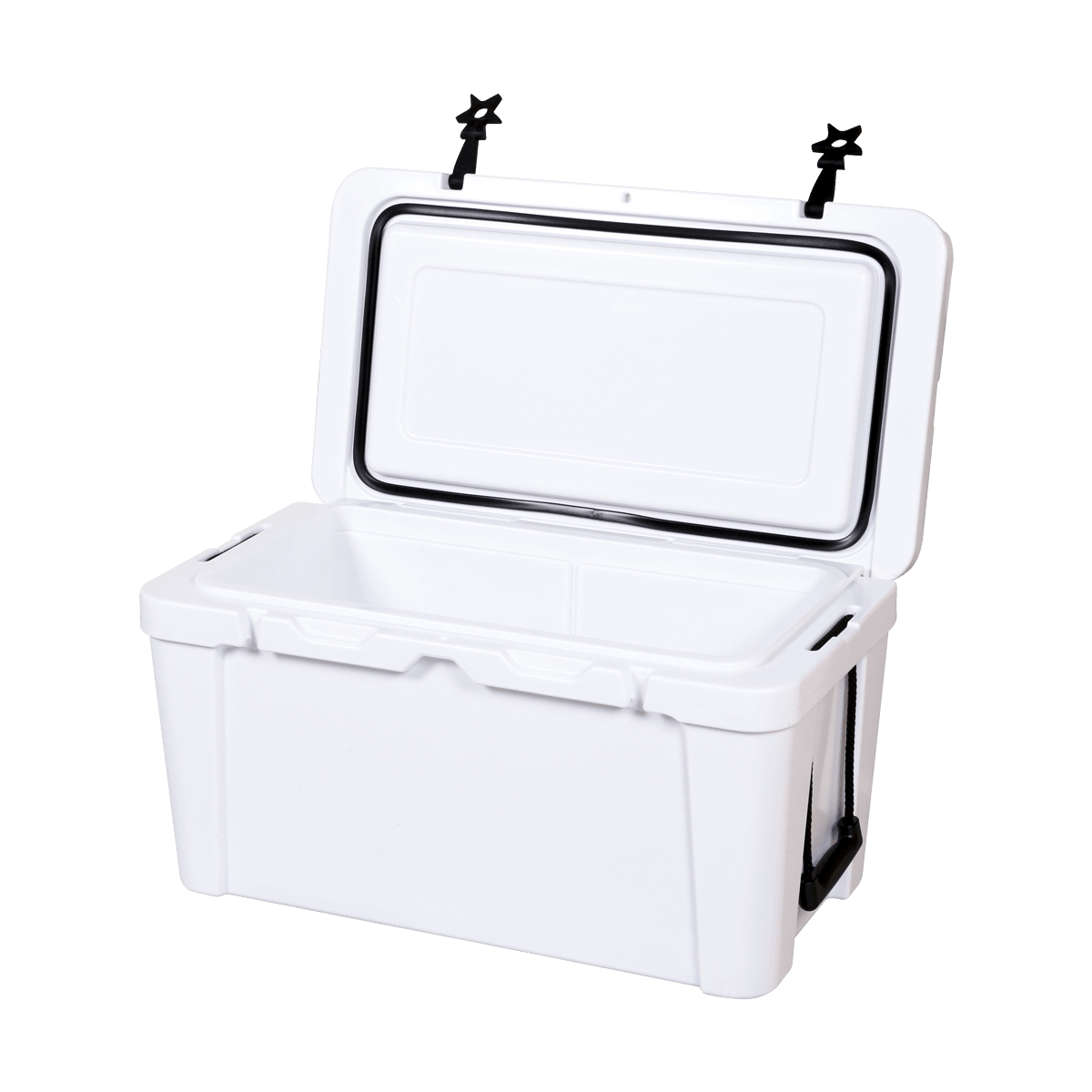
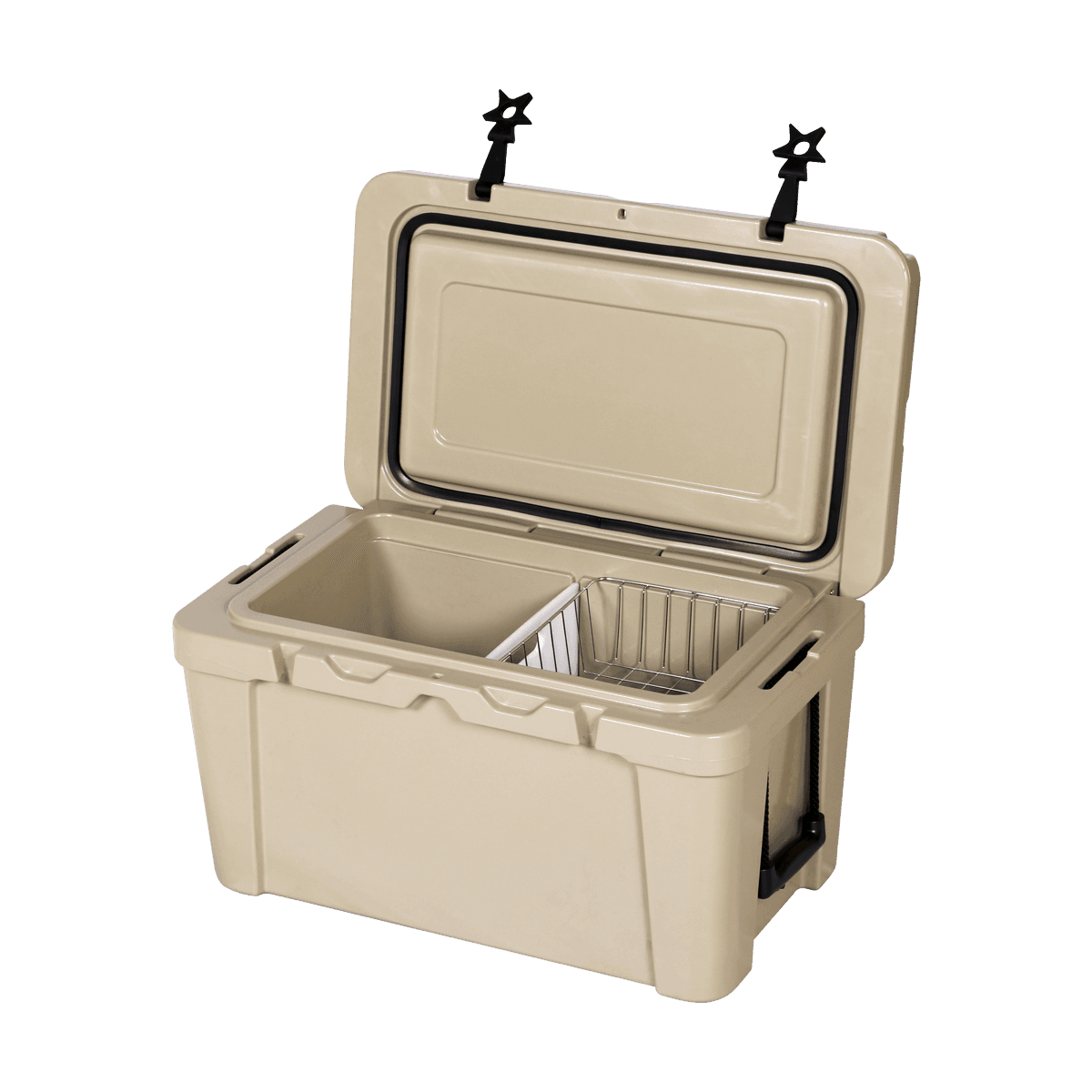
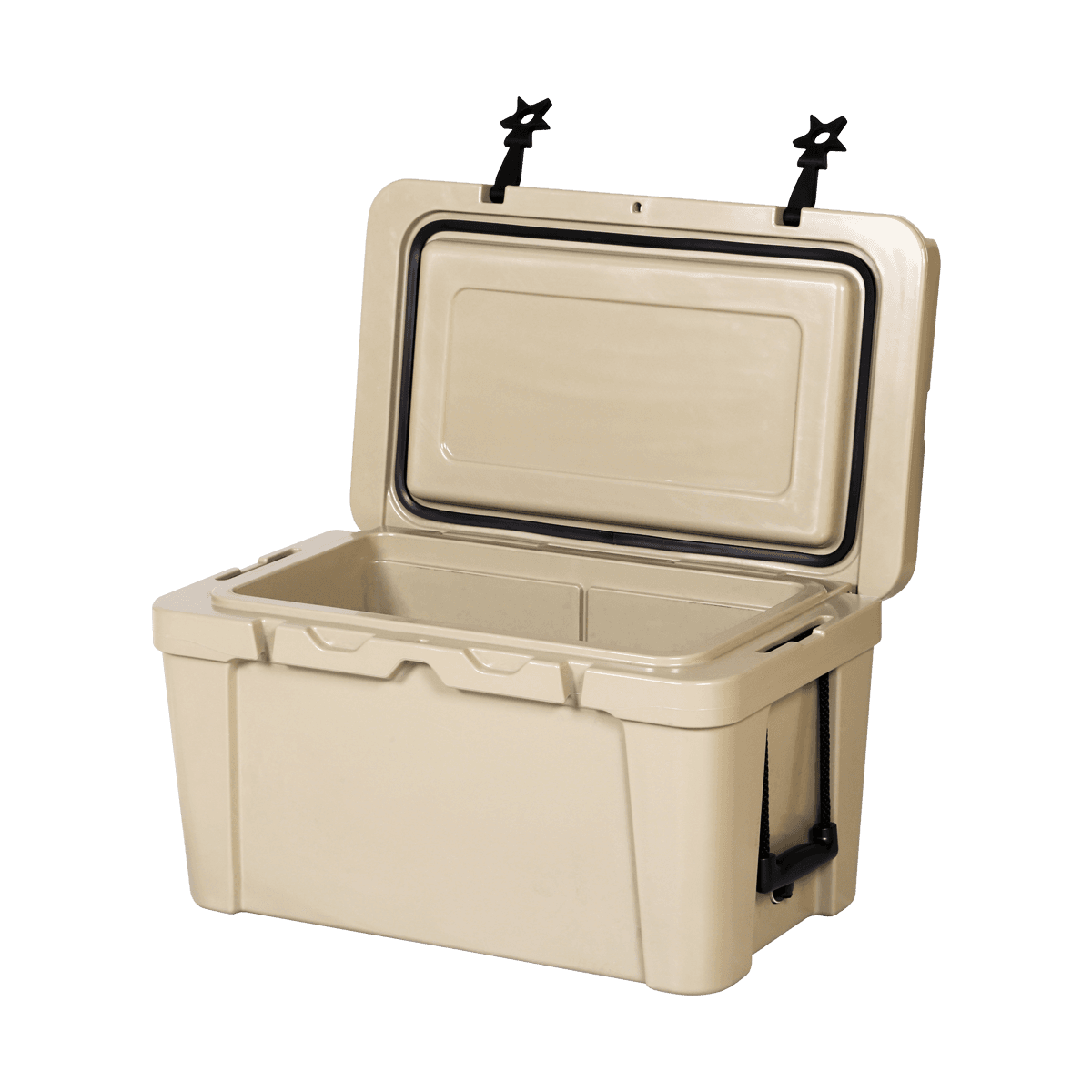
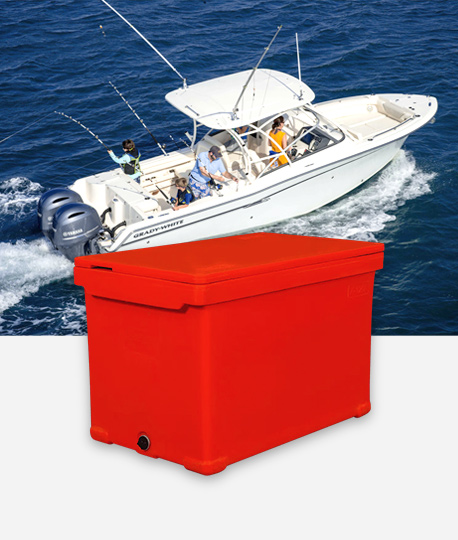
Insulated plastic containers are purpose-engineered vessels that slow heat transfer between their contents and the surrounding environment — keeping cold things cold and hot things hot for hours or even days. The most important thing to understand upfront: not all plastic is the same. The resin identification code (the number inside the recycling symbol on the bottom of a container) tells you whether a container is food-safe, microwave-safe, recyclable, and free from harmful chemicals like BPA. Choosing the wrong plastic container — especially for food or beverages — can expose you to hormone-disrupting chemicals, microplastics, and toxins that leach under heat or repeated use.
This guide covers everything: how insulated plastic containers are constructed, which plastic numbers to avoid, which are the safest plastic numbers for food storage, how to tell if plastic is microwave safe, what number plastics can be recycled, and where insulated plastic containers are used across industries.
Plastic Numbers Explained: What the Resin Code on Your Container Actually Means
Every plastic container manufactured for consumer or commercial use carries a Resin Identification Code (RIC) — a number from 1 to 7 stamped inside a triangle of arrows on the base. This system was introduced by the Society of the Plastics Industry (now the Plastics Industry Association) in 1988 to help recyclers sort materials. It was never designed as a safety rating, but understanding plastic numbers is now essential for anyone choosing containers for food, beverages, or insulated storage.
Here is what each plastic number means in practical terms:
| Plastic Number | Resin Type | Common Uses | Food Safe? | Microwave Safe? | Recyclable? |
|---|---|---|---|---|---|
| #1 PETE | Polyethylene Terephthalate | Water bottles, soda bottles | Single-use only | No | Yes — widely |
| #2 HDPE | High-Density Polyethylene | Milk jugs, cutting boards, insulated boxes | Yes | Generally no | Yes — widely |
| #3 PVC | Polyvinyl Chloride | Cling wrap, plumbing pipes | No | No | Rarely |
| #4 LDPE | Low-Density Polyethylene | Squeeze bottles, plastic bags | Yes | Generally safe | Limited programs |
| #5 PP | Polypropylene | Yogurt cups, deli containers, insulated lunch boxes | Yes | Yes — labeled | Growing programs |
| #6 PS | Polystyrene | Foam cups, takeout boxes, EPS coolers | Avoid heated use | No | Rarely |
| #7 Other | Mixed / Polycarbonate / BPA plastics | Large water jugs, some baby bottles (older) | Varies — check label | No | Rarely |
Plastic Bottle Numbers to Avoid — and Why
When it comes to plastic bottle numbers to avoid, the clearest answers from food safety research point to three resin codes that carry the highest risk for everyday food and beverage contact: #3 (PVC), #6 (PS/polystyrene), and most #7 plastics — especially those made from polycarbonate.
Why #3 PVC Is a Problem
Polyvinyl chloride contains phthalates and plasticizers that are added to keep the material flexible. These chemicals are classified as endocrine disruptors — they interfere with hormone signaling in the body. The US FDA has restricted the use of certain phthalates in food-contact materials, and the EU REACH regulation lists many of them as Substances of Very High Concern (SVHCs). PVC should never be used for food storage or in contact with hot foods or beverages.
Why 6 Plastic (Polystyrene) Is Risky Under Heat
6 plastic — polystyrene, often seen as expanded foam (EPS) in coffee cups and takeout containers — contains styrene monomer, a compound the US National Toxicology Program has listed as "reasonably anticipated to be a human carcinogen." At room temperature and for short-duration cold storage, polystyrene foam is widely used and considered low-risk. However, when #6 plastic contacts hot liquids, oily foods, or alcohol, styrene migration increases sharply. A 2020 study published in Food Additives & Contaminants found styrene migration from foam containers into hot soup to be 5–8 times higher than into cold water under the same contact time. This is why foam cups and EPS coolers are fine for keeping ice cream cold but should never be used in a microwave or with hot soups.
Why #7 Plastic Requires Careful Scrutiny
The #7 code is a catch-all category covering any resin not in categories 1–6. This includes polycarbonate (PC), which was widely used in reusable water bottles and baby bottles until research in the 2000s confirmed that it leaches bisphenol A (BPA) — particularly when exposed to heat, UV light, or acidic contents. BPA is an estrogen-mimicking chemical linked to developmental and reproductive harm. Many countries, including the EU and Canada, have banned BPA from baby bottles and sippy cups. While most reputable manufacturers have reformulated to BPA-free alternatives (often using BPS or PETG), not all #7 plastics are BPA-free. Always check the label explicitly for "BPA-free" if purchasing any #7 container.
What Are the Safest Plastic Numbers for Food Storage?
The question of what are the safest plastic numbers has a clear answer based on current food safety science: #2 (HDPE), #4 (LDPE), and #5 (PP) are the three safest plastics for food storage containers. These resins do not contain BPA, phthalates, or styrene, and they are chemically stable across typical food storage temperature ranges.
Plastic 2 (HDPE): Robust and Widely Safe
Plastic number 2 — high-density polyethylene — is one of the most chemically inert plastics available. It does not leach detectable levels of harmful chemicals under normal food storage conditions, and it is resistant to most cleaning agents, including dishwasher detergents. HDPE is the standard material for milk jugs, juice bottles, and the outer shells of many insulated plastic containers and cooler boxes. Its operating temperature range spans from −40°C to +120°C, making it suitable for freezer storage and brief hot-fill applications. HDPE is also one of the most widely recyclable plastics — accepted by over 95% of curbside recycling programs in the US and EU.
#5 Plastic (Polypropylene): The Best Choice for Microwave-Safe Containers
#5 plastic — polypropylene — has the highest heat tolerance of the food-safe plastics and is the primary material used in microwave-safe containers. It maintains structural integrity up to approximately 135°C (275°F), which covers the operating temperature range of most microwave ovens. Polypropylene does not contain BPA and has a low rate of chemical migration even under repeated heating cycles. It is the standard resin for yogurt tubs, deli containers, takeout containers, and the inner food-contact liners of insulated lunch boxes and meal-prep containers. When purchasing any container you intend to microwave, look for the #5 PP symbol combined with the microwave-safe label (wavy lines icon) — both must be present.
#4 LDPE: Safe but Limited in Rigidity
Low-density polyethylene is food-safe and BPA-free, but its softness limits its use in rigid insulated containers. It is more commonly found in squeeze bottles, bread bags, and flexible film wraps. For insulated container applications, LDPE is occasionally used for flexible insulated pouches or as an inner lining material because of its low moisture vapor transmission rate.
Which Plastic Containers Are Safe for Food Storage: A Practical Checklist
Understanding which plastic containers are safe for food storage requires checking more than just the resin number. Use the following checklist every time you assess a container:
- Check the resin code: Safe numbers are #2, #4, and #5. Avoid #3 and #6. Use #1 only once and discard. For #7, verify explicitly that the product is BPA-free.
- Look for "food grade" or "food safe" labeling: This indicates the plastic meets FDA (US), EFSA (EU), or equivalent regulatory standards for direct food contact.
- Check for BPA-free marking: Especially important for any reusable water bottle, insulated tumbler, or multi-use food container. What is BPA free? It means the container was manufactured without bisphenol A, a plasticizer associated with hormonal disruption. Most reputable BPA-free water bottles now use HDPE (#2), Tritan copolyester, or stainless steel.
- Discard scratched or damaged containers: Surface abrasion increases the migration rate of plastic monomers and additives into food, regardless of resin type.
- Never reuse single-use containers: #1 PET bottles are designed for a single fill-and-use cycle. Repeated washing degrades the surface and increases leaching risk.
- Match the container to the food type: Acidic foods (tomatoes, citrus, vinegar-based sauces) accelerate chemical migration from most plastic resins. For long-term storage of acidic foods, glass or stainless steel is preferable.
How to Tell If Plastic Is Microwave Safe
How to tell if plastic is microwave safe is one of the most searched questions about plastic containers — and the answer requires checking three things simultaneously:
- The resin number must be #5 (PP). This is the only common plastic resin with sufficient heat tolerance for microwave use. #2 HDPE can technically withstand microwave temperatures but is not formulated for repeated heating in most consumer container applications. All other plastics — especially #6 PS — should never go in a microwave.
- The microwave-safe symbol must be present. Look for the wavy horizontal lines icon, which internationally denotes microwave compatibility. Some containers also print the text "microwave safe" directly. The recycling symbol alone is not a microwave-safe indicator.
- The container must show no signs of wear. Even a #5 PP container that is cracked, heavily scratched, or warped from prior overheating should not be used in a microwave. Structural damage compromises both heat resistance and chemical stability.
A common mistake is assuming that any plastic that survives microwave use without melting is therefore safe. Visible survival does not equal chemical safety. Low-grade #1 PET containers may not visibly deform in a microwave but will still leach antimony and acetaldehyde into food at elevated temperatures. When in doubt, transfer food to a ceramic or glass container before microwaving.
What Number Plastics Can Be Recycled?
Understanding what number plastics can be recycled is increasingly important as municipal recycling programs vary widely in what they accept. The general rule across most curbside programs in North America, the EU, and Australia is:
- #1 PETE: Widely recyclable curbside. Bottles and jugs only in most programs — not trays or clamshells.
- #2 HDPE: Widely recyclable curbside. One of the highest-value recyclable plastics — post-consumer HDPE commands strong secondary market prices.
- #3 PVC: Rarely recyclable. Most curbside programs explicitly exclude PVC. Specialized industrial recyclers exist but are not consumer-accessible in most regions.
- #4 LDPE: Limited curbside programs accept rigid #4 items; most programs reject flexible bags and film. Dedicated drop-off locations at major grocery retailers handle flexible LDPE film in many countries.
- #5 PP: Acceptance is growing. As of 2023, roughly 60% of US curbside programs accept #5 PP, up from 35% in 2015. Europe has broader acceptance through extended producer responsibility (EPR) schemes.
- #6 PS: Rarely recyclable curbside. Foam EPS is explicitly banned from curbside programs in most jurisdictions due to contamination and processing difficulty. A small number of specialist foam recyclers operate drop-off programs.
- #7 Other: Generally not recyclable through conventional programs. Some bio-based or compostable #7 plastics (like PLA) require industrial composting facilities, not standard recycling.
For insulated plastic containers specifically — which typically combine #2 HDPE outer shells with polyurethane foam insulation cores — the foam core must be separated from the outer shell before either component can be recycled. Most municipal programs cannot process bonded multi-material assemblies. Some manufacturers now operate take-back programs for end-of-life insulated containers.
What Is BPA Free — and Does It Automatically Mean Safe?
What is BPA free? BPA (bisphenol A) is a chemical monomer used in the production of polycarbonate plastics and epoxy resins. It was extensively used in food containers, water bottles, baby bottles, and the lining of metal cans from the 1960s onward. Research from the late 1990s and 2000s identified BPA as an endocrine disruptor — it mimics estrogen in the body and has been associated with developmental issues in infants, increased breast cancer risk, and metabolic disruption at low doses. A "BPA-free water bottle" or container means that no BPA was used in manufacturing.
However, the picture is more nuanced. BPA-free does not automatically mean chemically inert. Many manufacturers replaced BPA with bisphenol S (BPS) or bisphenol F (BPF) — structurally similar compounds that emerging research suggests may carry similar hormonal activity risks. A 2013 study in Environmental Health Perspectives found that some BPS-containing plastics leached chemicals with estrogenic activity at rates comparable to the BPA products they replaced.
The safest approach for truly BPA-free, low-risk food storage:
- Choose containers made from #2 HDPE or #5 PP, which were never manufactured with BPA to begin with.
- For reusable insulated water bottles, Tritan copolyester (a proprietary BPA-free, BPS-free plastic from Eastman Chemical) or stainless steel are the most rigorously tested options.
- Avoid heating any plastic container even if labeled BPA-free, unless it is explicitly rated and labeled as microwave-safe.
How Insulated Plastic Containers Are Constructed
Insulated plastic containers are not simply thick-walled boxes — they are engineered multi-layer systems designed to minimize the three mechanisms of heat transfer: conduction, convection, and radiation. The construction method determines the thermal performance (often expressed as the number of hours the container can maintain a target temperature), mechanical durability, and weight.
Outer Shell Material
The outer shell is most commonly #2 HDPE or polypropylene (#5 PP), chosen for impact resistance, UV stability, and chemical resistance to cleaning agents. Rotational molding (rotomolding) is the dominant manufacturing process for heavy-duty insulated containers — the resin is loaded into a mold that rotates biaxially in an oven, producing a seamless, single-piece shell with consistent wall thickness. This eliminates weak seam points that could allow heat infiltration or moisture ingress. Entry-level insulated containers use injection-molded polypropylene, which is faster and cheaper to produce but typically yields thinner walls with lower insulation performance.
Insulation Core Types
The insulation core is the performance-defining component. Three main types are used across the industry:
- Expanded Polystyrene (EPS / #6 PS foam): The traditional insulation material for disposable and low-cost insulated containers. EPS has a thermal conductivity of approximately 0.033–0.040 W/m·K. It is lightweight and inexpensive but brittle and offers limited ice retention — typically 12–24 hours in standard applications. Single-use EPS boxes are widely used in pharmaceutical cold-chain and fish/seafood shipping.
- Polyurethane Foam (PU foam): The insulation of choice for premium reusable containers, rotomolded coolers, and industrial cold-chain boxes. PU foam is injected in liquid form into the cavity between the inner and outer shells, where it expands and sets — filling all voids and bonding to both surfaces. Thermal conductivity is 0.022–0.028 W/m·K, significantly better than EPS. High-end rotomolded coolers using 2–3 inch thick PU foam walls achieve ice retention of 5–10 days.
- Vacuum Insulation Panels (VIPs): Used in high-performance pharmaceutical, biomedical, and food-grade containers where extreme thermal efficiency is required in a compact form factor. VIPs achieve thermal conductivity as low as 0.004–0.007 W/m·K — up to 10 times better than PU foam — by removing the air from an evacuated panel filled with microporous silica. The trade-off is cost (VIP containers can cost 10–30× more than EPS equivalents) and fragility — a punctured VIP loses its insulation value permanently.
Inner Liner and Sealing System
The inner liner of a food-grade insulated container must be made from a safe plastic — either #2 HDPE, #4 LDPE, or #5 PP — and must be smooth, non-porous, and cleanable. Industrial-grade containers used in food processing or pharmaceutical applications often use HDPE liners with antimicrobial additives. The lid seal is critical: most premium containers use a compression-fit gasket made from EPDM rubber or food-grade silicone that creates an airtight seal, reducing warm air infiltration and internal convection.
Where Insulated Plastic Containers Are Used: Industry Applications
Insulated plastic containers serve a remarkably diverse range of industries. The choice of container type, size, plastic resin, and insulation class varies significantly by application.
Food and Beverage: From Consumer to Commercial
Consumer insulated containers range from lunchbox-scale PP containers with EPS liners to premium rotomolded HDPE coolers used for camping, fishing, and outdoor events. At the commercial end, catering and food delivery services rely on large-format insulated polypropylene boxes — typically 50–600 litre capacity — to transport meals from central kitchens to service points while maintaining HACCP-required temperature bands. Regulations in most jurisdictions require hot food to remain above 63°C (145°F) and cold food below 8°C (46°F) during transport; insulated containers must be validated to maintain these ranges for the duration of the delivery route.
Pharmaceutical Cold Chain
The pharmaceutical cold chain is arguably the most demanding application for insulated plastic containers. Vaccines, biologics, insulin, and clinical trial samples must be maintained within defined temperature ranges — most commonly +2°C to +8°C (CRT cold) or −15°C to −25°C (frozen) — throughout global distribution networks. Containers for this application are validated to ICH Q1A guidelines and WHO PQS standards. The containers typically use VIP or thick-wall PU foam insulation with phase-change material (PCM) packs rather than ice, since PCMs release or absorb heat at a fixed temperature and provide more precise, stable thermal buffering than water ice.
Seafood and Perishables Logistics
The global seafood trade depends almost entirely on insulated plastic containers for last-mile transport. The standard format is an EPS foam box — cheap enough to be single-use, light enough to minimize freight costs, and adequate for the 24–72 hour transit windows involved in air freight from fishing grounds to markets. The key controversy in this sector is environmental: approximately 800 million EPS seafood boxes are used and discarded globally each year, contributing significantly to plastic waste. Several European countries have introduced levy programs and extended producer responsibility (EPR) obligations on EPS fish boxes, accelerating a shift toward reusable HDPE insulated containers with return logistics systems.
Clinical and Laboratory Sample Transport
Blood samples, tissue biopsies, and diagnostic specimens require insulated containers that meet IATA P650 / UN3373 Category B standards for transport of biological substances. These containers use a triple-layer design: a primary receptacle (sealed sample tube), an absorbent secondary packaging, and an outer insulated rigid container — typically made from #2 HDPE with a PU foam or VIP insulation core. Temperature excursion loggers (single-use electronic temperature recorders) are commonly included inside the container to provide chain-of-custody documentation.
Consumer Outdoor and Recreational Use
The premium rotomolded cooler category — led by brands such as YETI, Pelican, and Grizzly — has transformed consumer expectations for insulated plastic container performance. These products use rotomolded HDPE outer shells with 2–3 inch injected polyurethane foam walls and gasket-sealed lids to achieve ice retention times of 5–10 days, compared to 1–2 days for standard injection-molded coolers. They are certified to NSF/ANSI 61 food-safety standards and are constructed entirely from safe plastics (#2 HDPE for the body, food-grade rubber for gaskets). The market for premium insulated containers grew at a CAGR of approximately 7.5% between 2018 and 2023, driven by outdoor recreation trends and demand for food safety during extended off-grid activities.
Choosing the Right Insulated Plastic Container: Key Specifications to Compare
When selecting an insulated plastic container for any application, the following specifications determine real-world performance:
| Specification | What It Means | Consumer Cooler | Food Delivery Box | Pharma Cold Chain |
|---|---|---|---|---|
| Insulation Type | EPS / PU foam / VIP | PU foam | EPS or PU foam | VIP or thick PU |
| Shell Plastic | Resin type used | #2 HDPE (rotomolded) | #5 PP or #2 HDPE | #2 HDPE |
| Thermal Hold Time | Hours at rated ambient temperature | 5–10 days | 4–8 hours | 48–96+ hours |
| Food Safe Certification | Regulatory food contact approval | NSF/ANSI 61 | FDA / EU 10/2011 | WHO PQS / ICH Q1A |
| Reusability | Expected use cycles | Multi-year | 100–500+ cycles | Varies (single-use to multi-use) |
Sustainability and the Future of Insulated Plastic Containers
The insulated plastic container industry faces mounting pressure to address its environmental footprint. The key sustainability challenges are:
- EPS end-of-life: Expanded polystyrene (#6 plastic) is the dominant material for single-use insulated containers globally, yet it is recyclable through fewer than 10% of municipal programs. Alternatives including molded fiber, bio-based foams (mycelium and starch-based), and reusable HDPE systems are gaining market share — particularly in markets with EPR legislation.
- Multi-material bonding: The combination of plastic shells and polyurethane foam cores in premium containers creates complex end-of-life scenarios. Several manufacturers are exploring mechanical insulation systems (air-filled double-wall designs) that allow complete material separation and recycling without bonded foam.
- Recycled content integration: Leading manufacturers including Pelican and Igloo have introduced product lines using post-consumer recycled HDPE (PCR-HDPE) for outer shells — using up to 100% recycled content in some models without compromising food safety, since the PCR resin contacts only the exterior surface while food-contact liners use virgin-grade safe plastic.
- Shared and circular models: In urban food delivery, reusable insulated container pooling systems — where containers are returned, sanitized, and reused rather than discarded — are being piloted in European and Asian markets, with lifecycle analyses showing 60–80% lower carbon footprint per delivery compared to single-use EPS after 20+ use cycles.
The direction of travel is clear: safe plastics (#2 HDPE, #5 PP) combined with improved insulation technologies and end-of-life systems will define the next generation of insulated plastic containers — replacing the problematic EPS and #7 polycarbonate systems that dominated the 20th century. For buyers, engineers, and procurement teams, the criteria are now thermal performance, chemical safety, and circular-economy compatibility in equal measure.
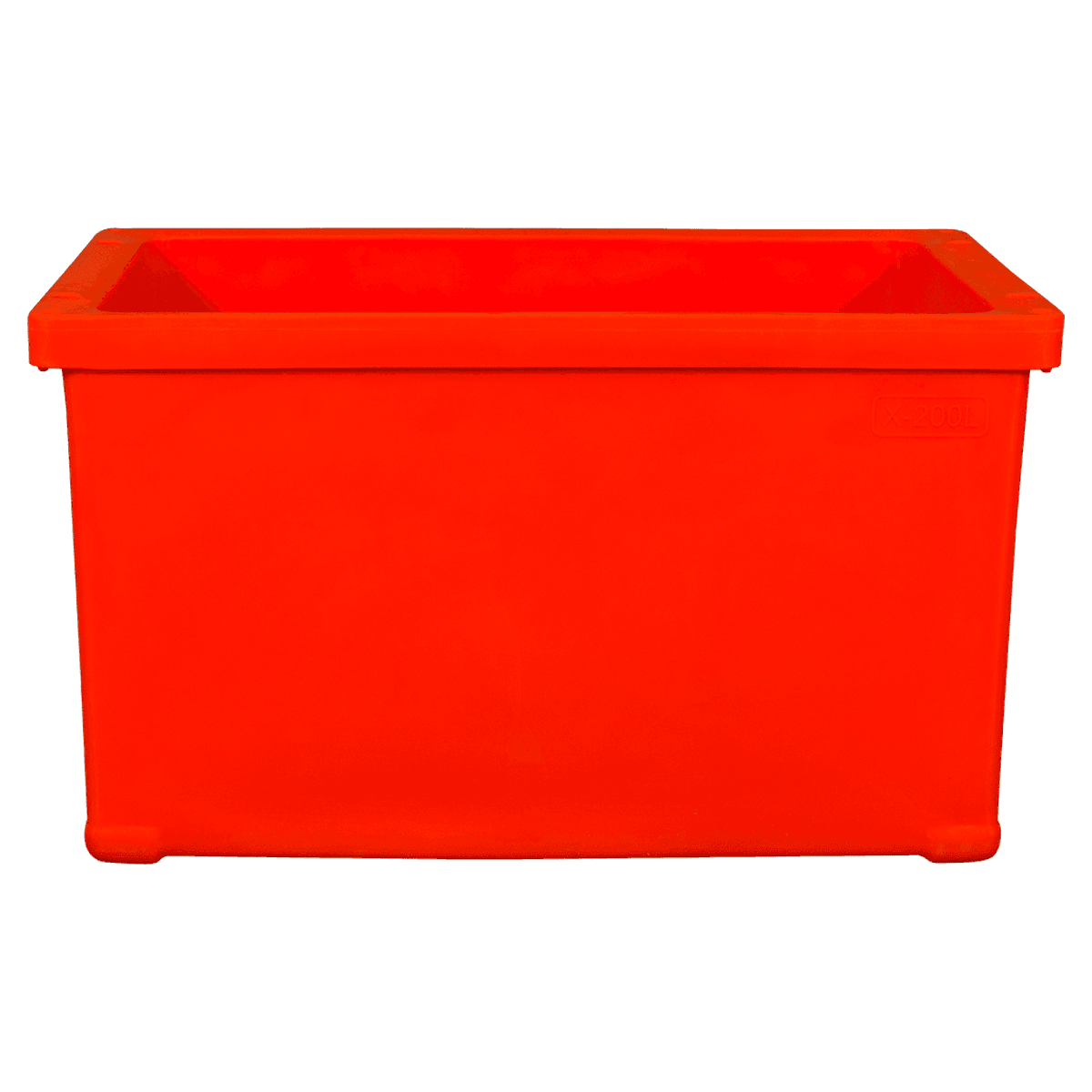
-4.png "Bosca oighir boscaí bruscair inslithe X-120L")
-4.png "Bosca With Iascaireachta Inslithe X-70L")
-2.png "Bosca with oighir X-68L chun bia a choinneáil fuar agus úr")
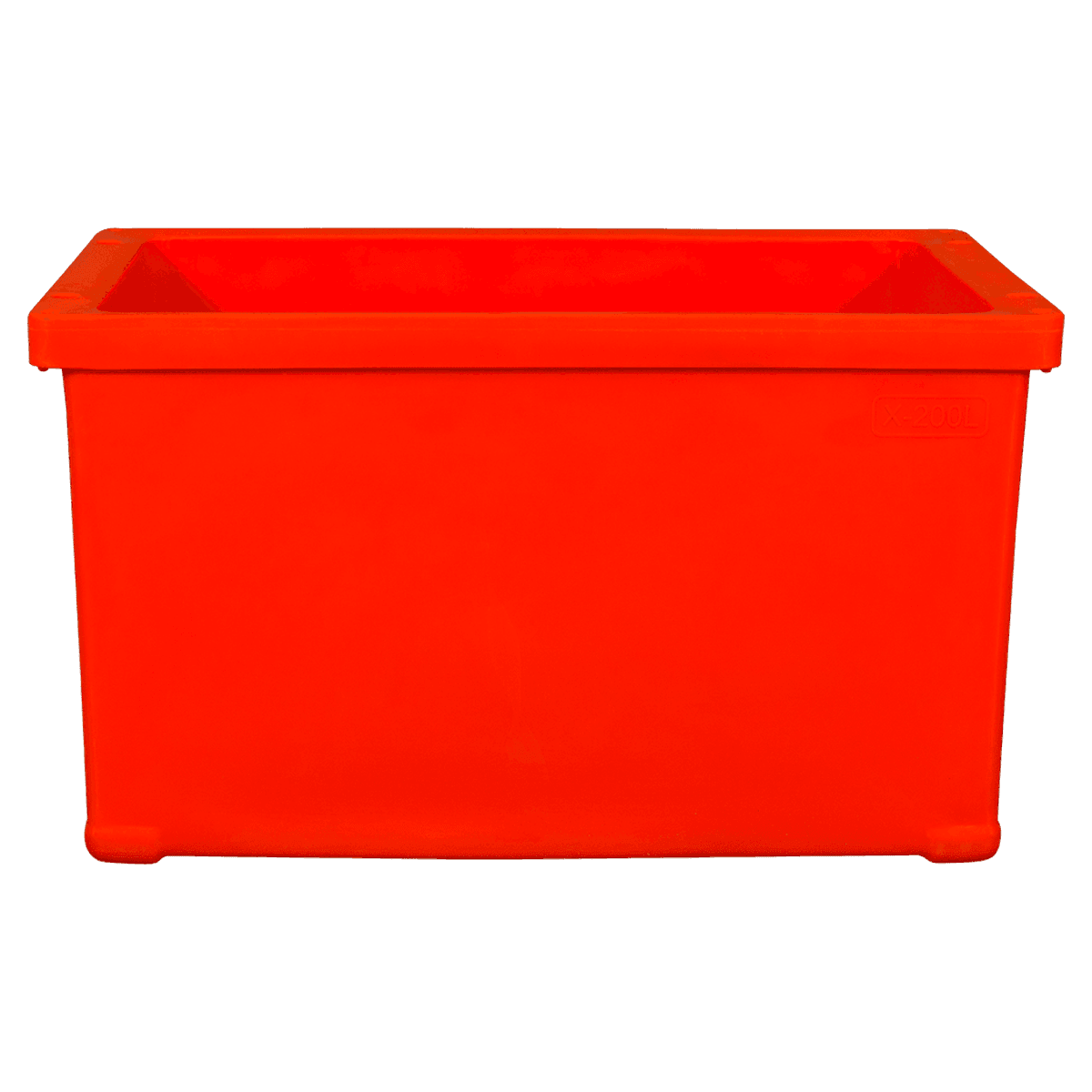
-2.png "X-120L Umair Iompair Bia Mara Beo")
-2.png "Umair Iompair Bia Mara Beo X-70L")